
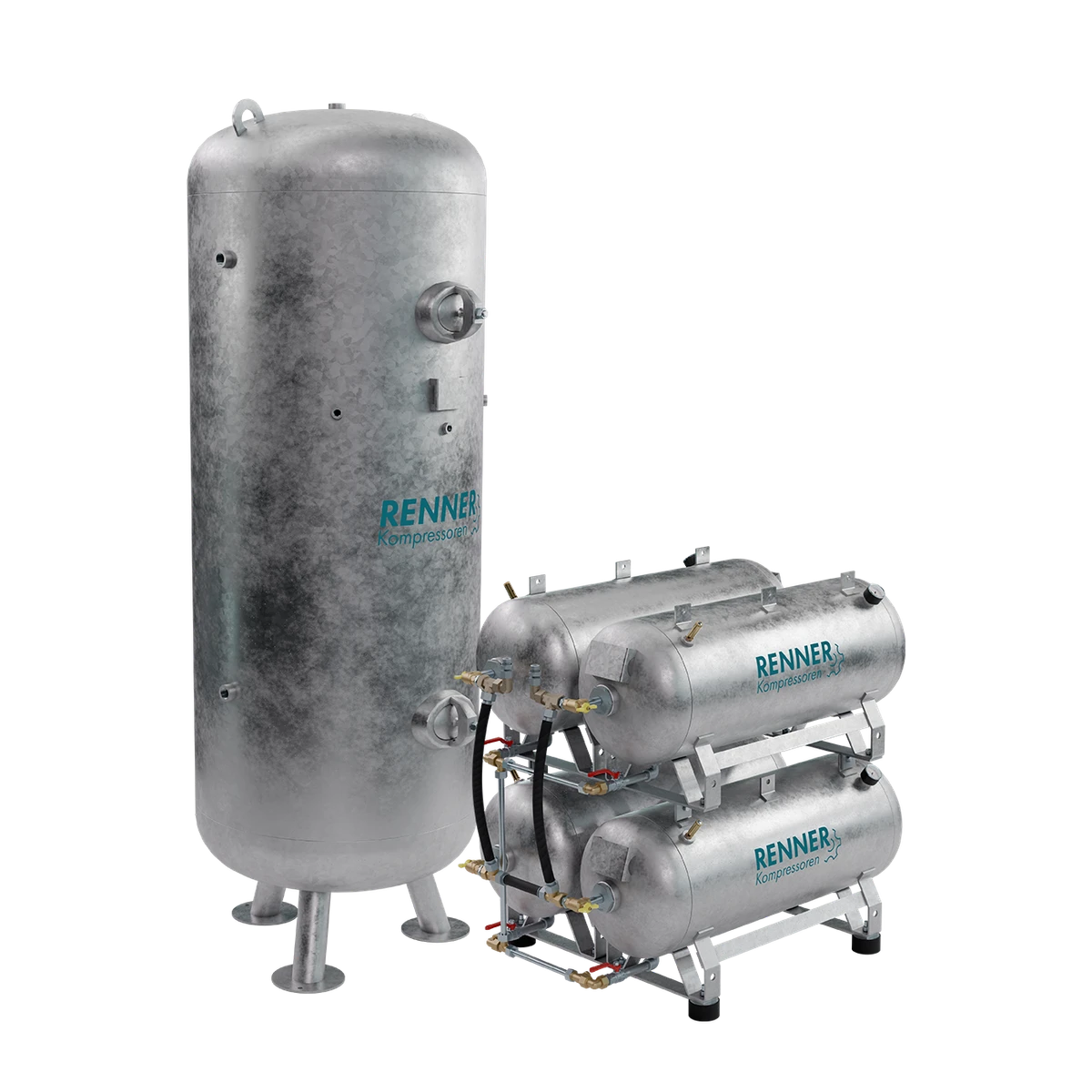
1. Solid particles
Ambient dust, pipework rust and particles from equipment. Their number and size matter; higher classes use mass concentration. Suitable filtration stages capture them.
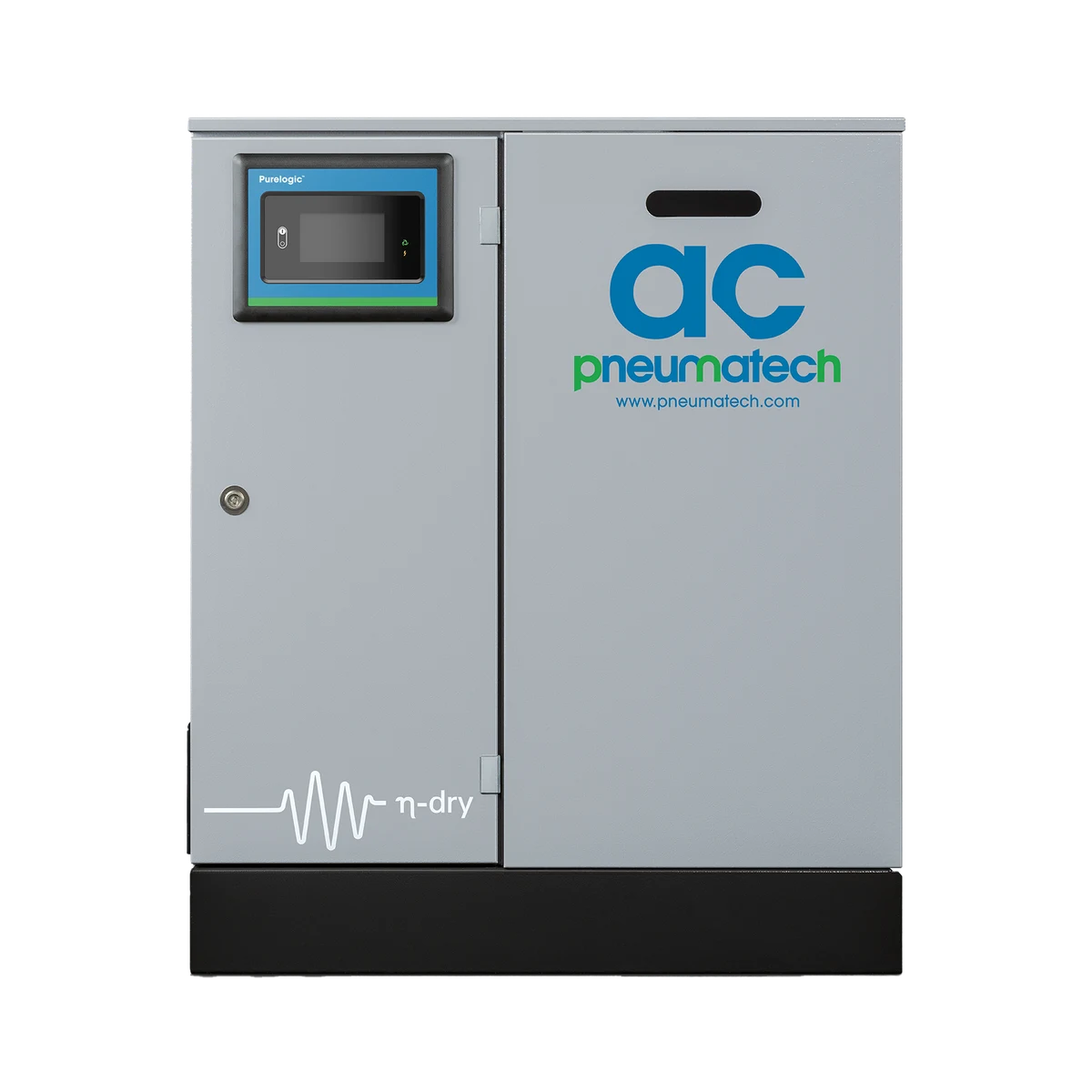
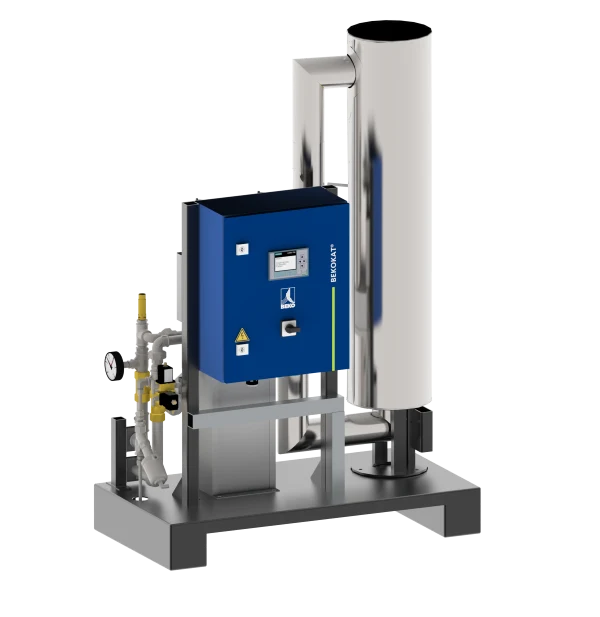
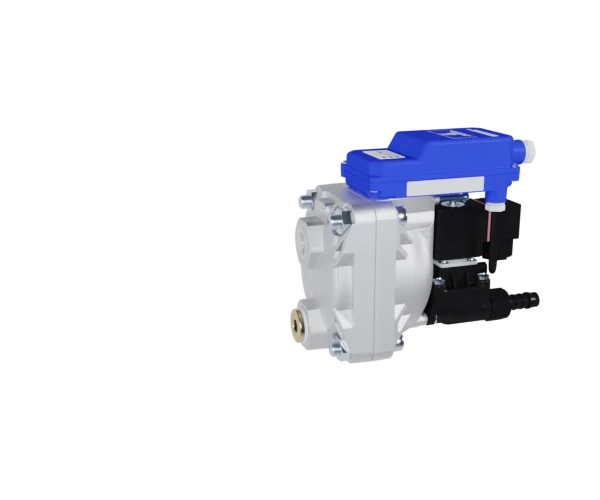
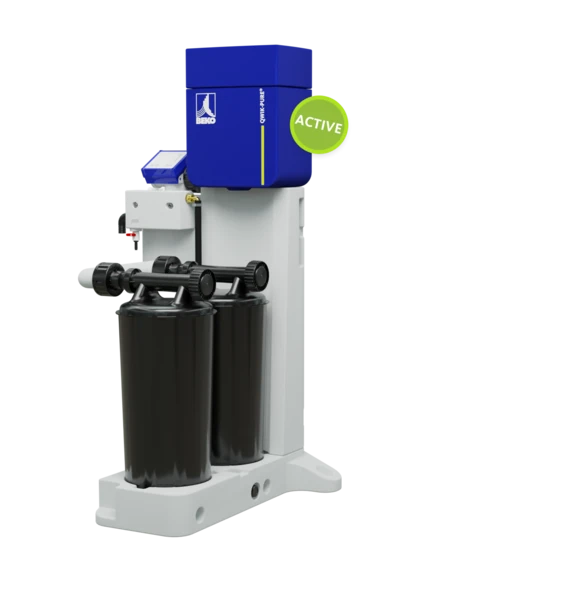
Drying, filtration and condensate treatment. Choose what you need to address in your operation.
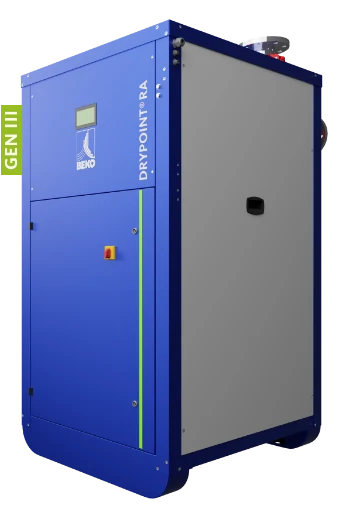
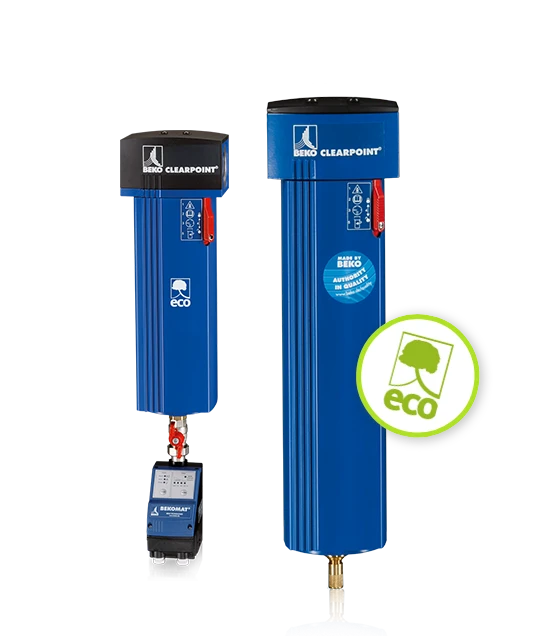
Air can be at the correct pressure and still damage a product or process equipment. Dust and rust cause wear, water promotes corrosion and oil can contaminate production. Purity is therefore assessed separately for each component.
Ambient dust, pipework rust and particles from equipment. Their number and size matter; higher classes use mass concentration. Suitable filtration stages capture them.
Liquid is drained; water vapour is removed by the dryer. The pressure dew point (PDP) indicates the temperature at which water starts to condense at working pressure.
Liquid oil, aerosol and vapour are all included. Coalescing filtration handles aerosols; oil vapour requires, for example, activated carbon or catalytic purification.
On a smaller screen, scroll the table sideways →
| Class | Solid particles | Water | Total oil | ||||
|---|---|---|---|---|---|---|---|
| Maximum particle count per 1 m³ | Mass Cp [mg/m³] | Pressure dew point [°C] | Liquid water Cw [g/m³] | Liquid, aerosol, vapour [mg/m³] | |||
| 0.1 < d ≤ 0.5 μm | 0.5 < d ≤ 1 μm | 1 < d ≤ 5 μm | |||||
| 0 | Individually specified, measurable limits stricter than class 1 for the relevant contaminant. This does not automatically mean zero contamination. | ||||||
| 1 | ≤ 20 000 | ≤ 400 | ≤ 10 | — | ≤ −70 | — | ≤ 0,01 |
| 2 | ≤ 400 000 | ≤ 6 000 | ≤ 100 | — | ≤ −40 | — | ≤ 0,1 |
| 3 | — | ≤ 90 000 | ≤ 1 000 | — | ≤ −20 | — | ≤ 1 |
| 4 | — | — | ≤ 10 000 | — | ≤ +3 | — | ≤ 5 |
| 5 | — | — | ≤ 100 000 | — | ≤ +7 | — | — |
| 6 | — | — | — | 0 < Cp ≤ 5 | ≤ +10 | — | — |
| 7 | — | — | — | 5 < Cp ≤ 10 | — | ≤ 0,5 | — |
| 8 | — | — | — | — | — | 0.5 < Cw ≤ 5 | — |
| 9 | — | — | — | — | — | 5 < Cw ≤ 10 | — |
| X | — | — | — | > 10 | — | > 10 | > 5 |
How to use the table: Select the class separately for particles, water and oil — you do not have to use one row for every component. A dash means no limit is defined for that parameter in that class; it does not mean zero concentration. Water classes 7–9 assess liquid water, not PDP.
Concentration figures refer to the standard's reference conditions (+20 °C, 100 kPa absolute, dry air). PDP refers to working pressure. This overview does not replace the full standard or the prescribed measurement method.
We determine the requirement according to the equipment, air contact with the product and the lowest pipework temperature. Indoor pneumatics may only need refrigerated drying; freezing environments or sensitive processes may require an adsorption dryer. Food and pharmaceutical applications also need a separate assessment of microbiological risks.
We verify quality at the point of use. An oil-free compressor alone does not address water, dust or contamination from the pipework. The example [1:4:1] is not a universal recommendation for every facility.
Rated equipment capacity applies at defined pressure and temperatures. Higher inlet temperature, lower pressure or demand peaks can change the required size of the entire assembly.
We account for the hottest conditions in the compressor room and the air temperature at the dryer inlet. Sizing based only on winter operation may be insufficient.
We compare power consumption, pressure loss and any regeneration air consumption. The cheapest equipment may not have the lowest operating costs.
We monitor pressure dew point, differential pressure and, depending on risk, residual oil. Critical operations need alarms, a service plan and backup.
Yes, depending on process requirements. Oil-free compression does not remove water vapour, particles or hydrocarbons drawn in from the surroundings. Pipework and valves also affect quality.
Yes. If only one line needs demanding purity, it makes sense to compare central treatment with local treatment of that branch. Peak flow and the risk of contamination between the treatment equipment and the user must be considered.
No. Drying primarily addresses water vapour. Oil aerosols, oil vapour and particles require appropriate downstream or upstream treatment stages.
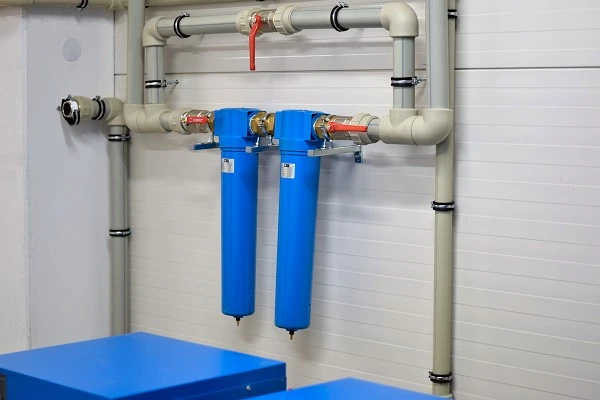
We address the links between the compressor, air treatment, distribution and point of use. For existing installations, we assess what can be retained and what limits quality or unnecessarily increases consumption.
Discuss your existing systemYou handle production. We handle the compressor.
You do not have to look after the compressor on your own. With PEMA LEASE, we take on the agreed care of the supplied machine. You get a clear budget and more time for your work.
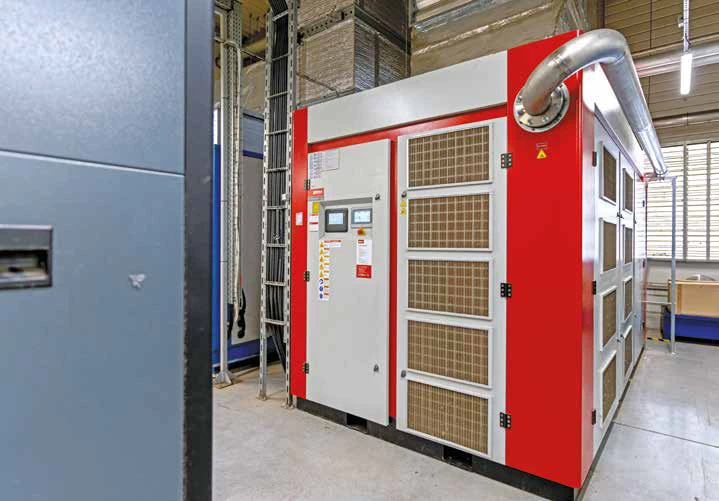

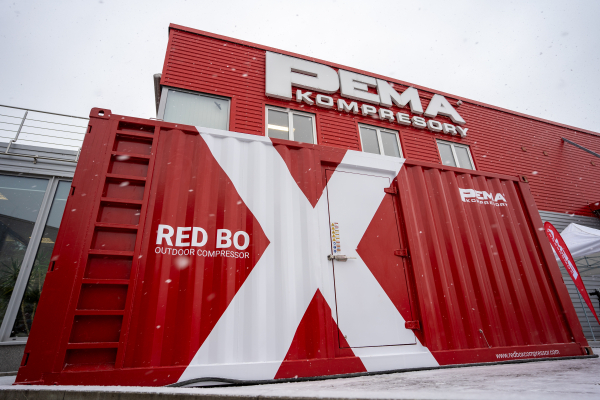

Real machines. Real operations. See where our work helps keep production running every day.
See for yourselfSend us the information you have. If you do not know the parameters, we will start with a description of production and the existing compressor room.