Kompresory PEMA s.r.o.
EN
Menu
20+ service techniciansThe largest compressor rental fleet in Czechia and SlovakiaImmediate response, 24/79 branches in Czechia and Slovakia
BEKO TECHNOLOGIES · MIKROPOR · PNEUMATECH

Compressed air dryers

Refrigerated dryers for general production. Adsorption dryers for low dew points and demanding processes.

Mikropor MVSD
Mikropor MVSD
Pneumatech PH 12–64 HE

Refrigerated dryers

For general indoor pipework. The ranges differ in design and refrigeration capacity control.

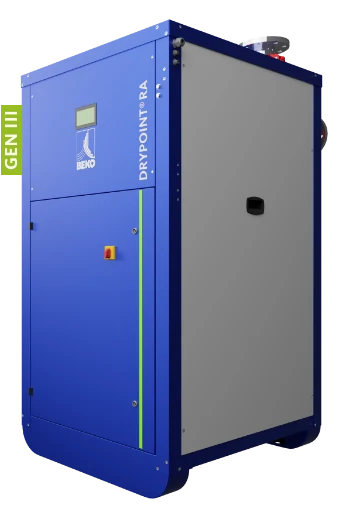
DRYPOINT RA III — manufacturer product photo
BEKO TECHNOLOGIES

DRYPOINT RA III

Industrial refrigerated drying with an integrated BEKOMAT condensate drain.

Range details

An industrial refrigerated range with an integrated BEKOMAT drain. The heat exchanger design and refrigeration circuit control aim for stable drying and reduced pressure drop.

  • For central treatment and individual points of use
  • LED or TOUCH control depending on version
  • Optional Modbus RTU communication
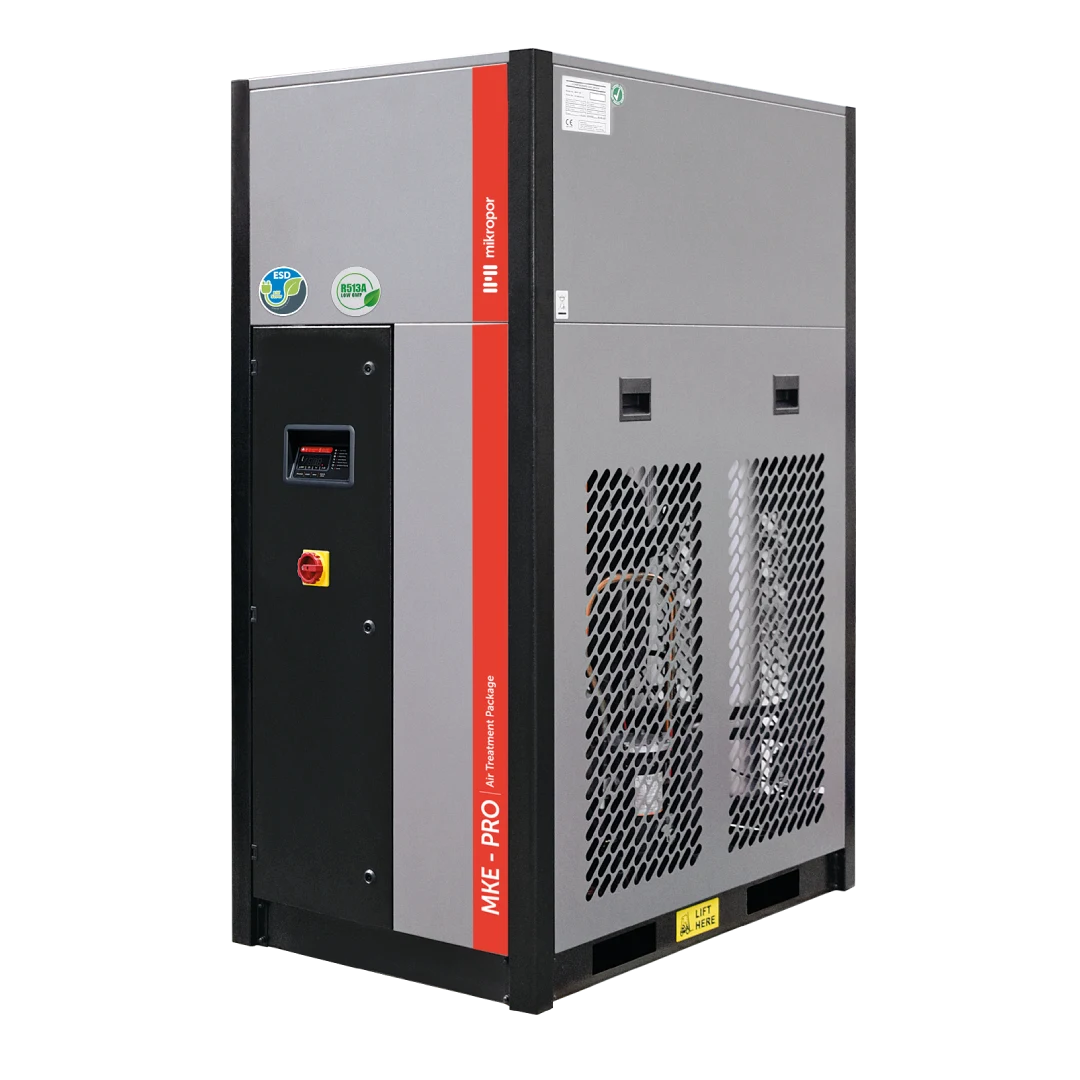
MKE / MKE-PRO — manufacturer product photo
MIKROPOR

MKE / MKE-PRO

MKE with non-cycling control, MKE-PRO with digital cycling.

Range details

MKE is a non-cycling range. MKE-PRO uses digital cycling control. Both families feature integrated filtration; PRO is worth comparing for variable loads.

  • MKE: non-cycling control
  • MKE-PRO: digital cycling
  • We verify the specific filtration for the selected model
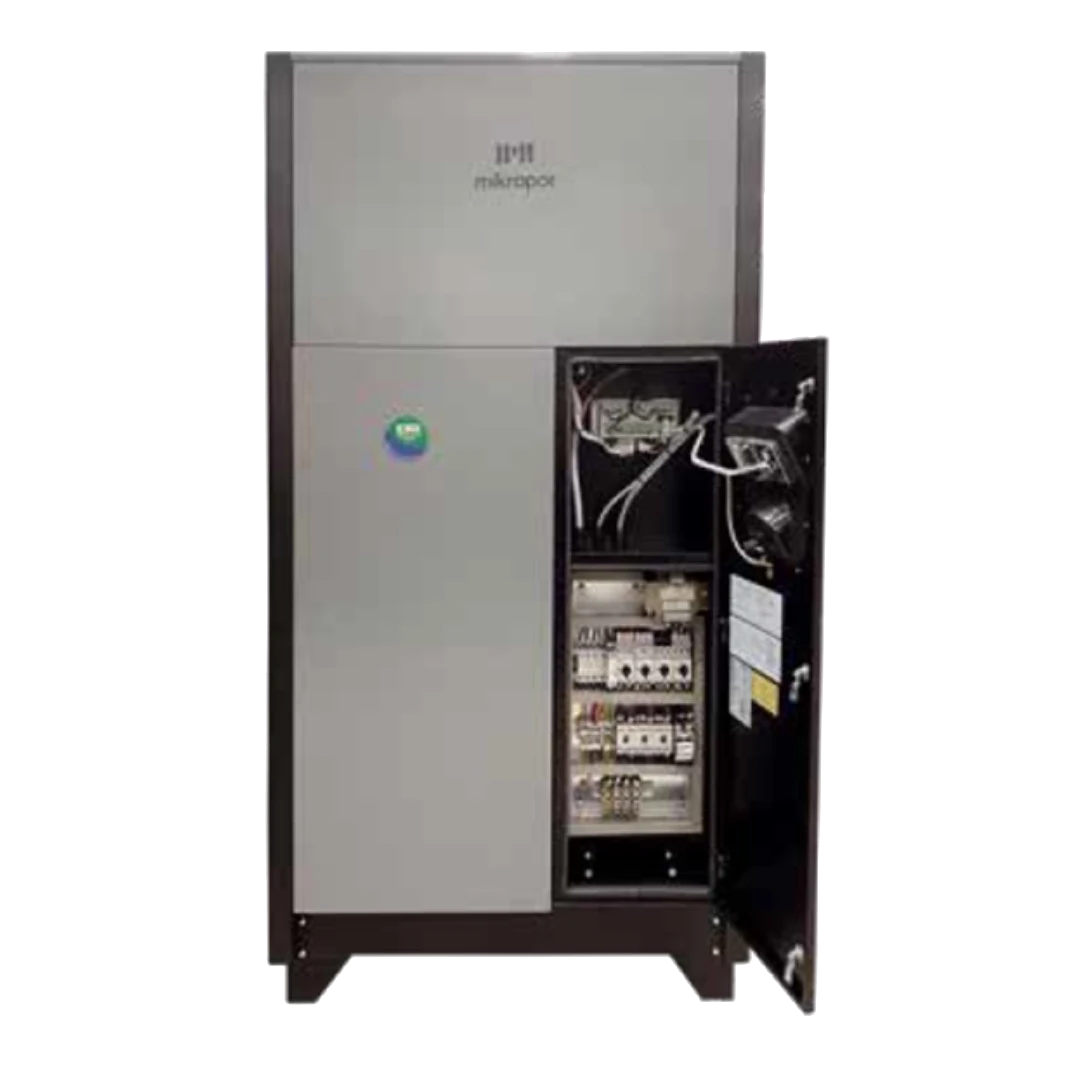
MCY — manufacturer product photo
MIKROPOR

MCY

Cycling drying with thermal storage. The manufacturer specifies PDP ≤ +5 °C.

Range details

Cycling refrigerated dryers with thermal storage. Stored cooling bridges periods of lower demand without continuous refrigeration compressor operation.

  • Thermal mass / cycling
  • Integrated prefiltration and afterfiltration
  • Manufacturer specifies PDP ≤ +5 °C
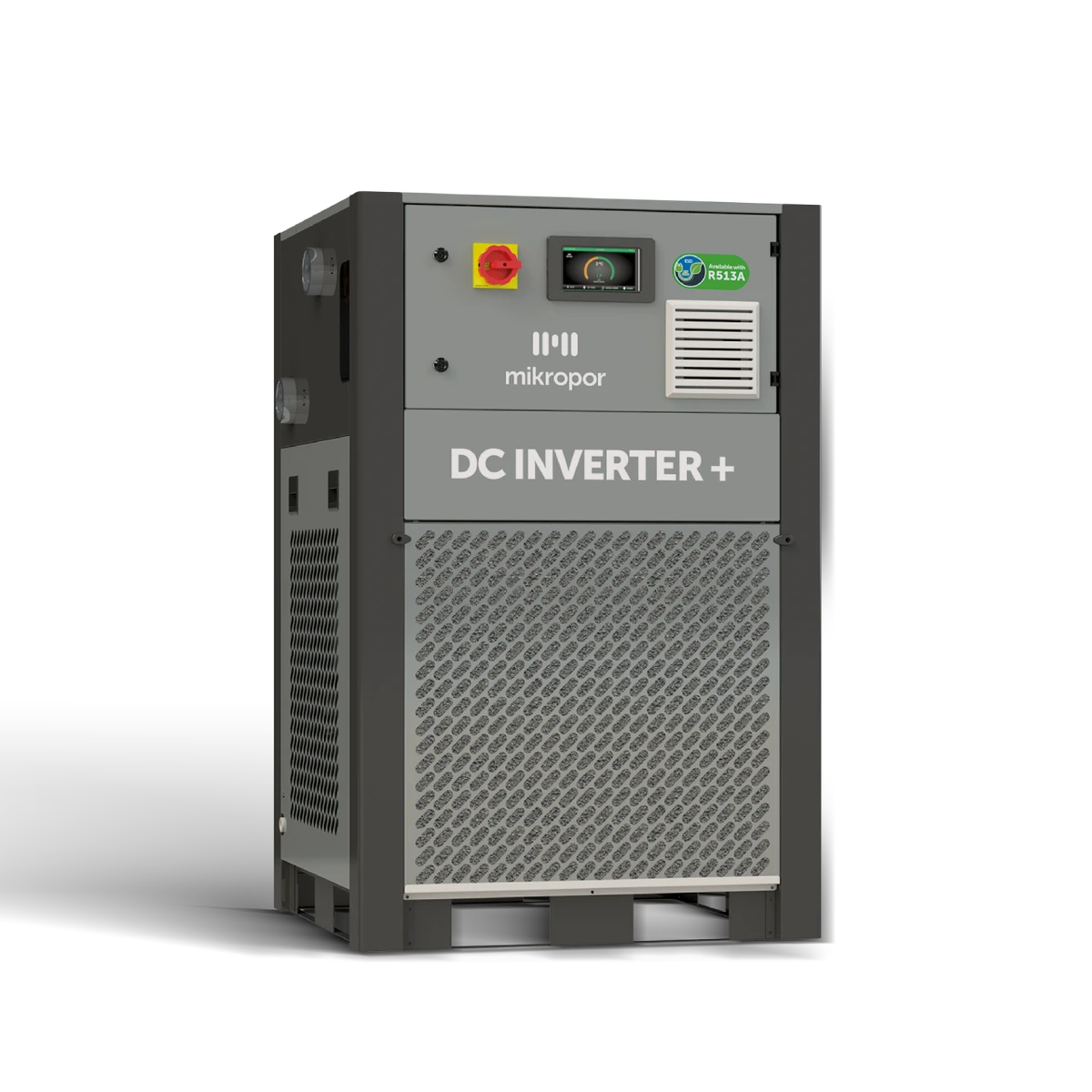
MVSD — manufacturer product photo
MIKROPOR

MVSD

Variable refrigeration compressor speed for changing loads.

Range details

A range with variable refrigeration compressor speed. Cooling capacity adapts to load — we assess the benefit using the actual demand profile, not just maximum flow.

  • Variable Speed Dryer
  • R513A refrigerant
  • PDP +3 °C under reference conditions
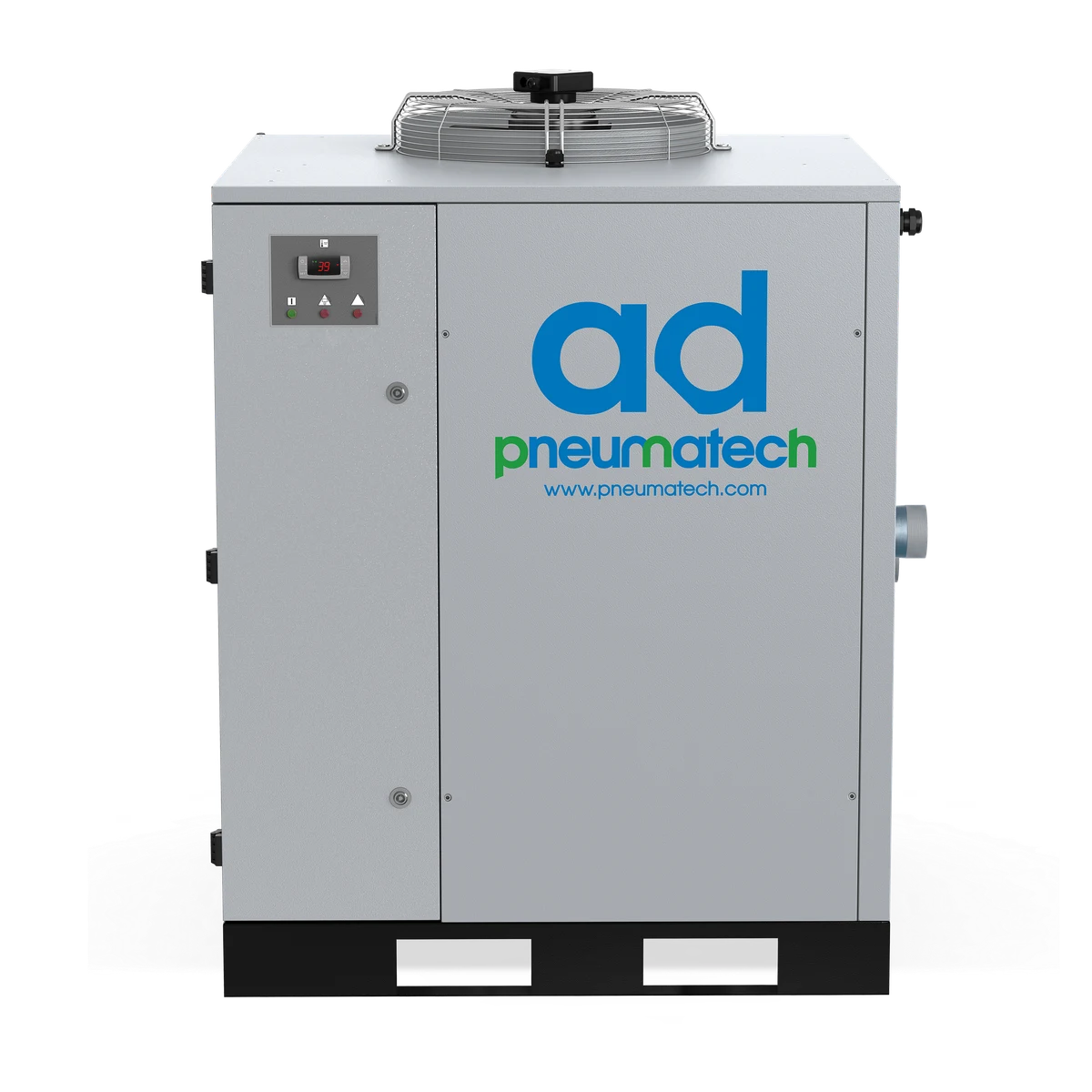
AD 15–4200 — manufacturer product photo
PNEUMATECH

AD 15–4200

A non-cycling refrigerated range for general industrial use.

Range details

Non-cycling refrigerated dryers for general industrial use. Hot gas bypass control helps maintain operation at low loads too.

  • Simple operating concept
  • Condensate drainage without unnecessary air loss
  • Selection based on pressure, inlet and ambient temperature
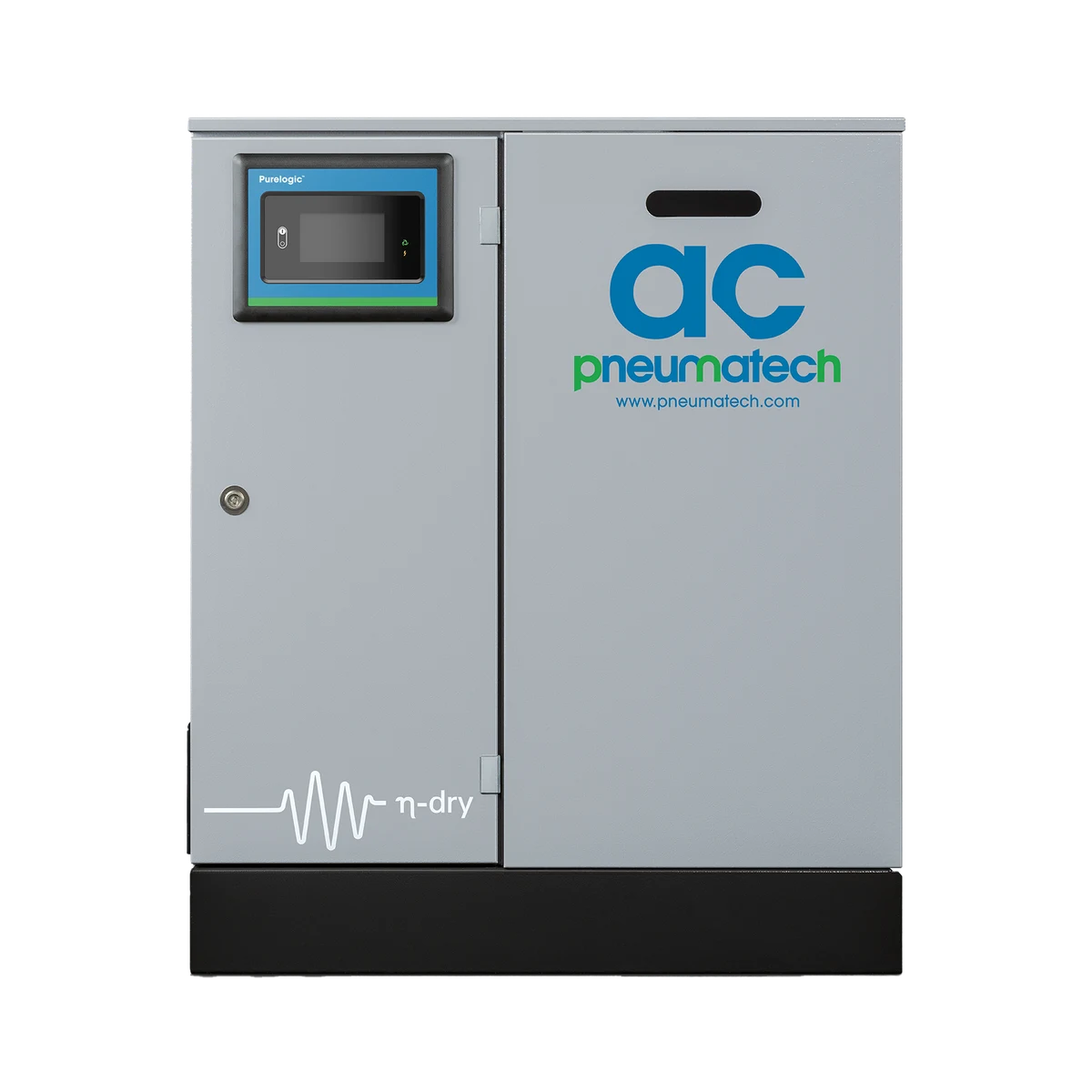
AC / AC VSD — manufacturer product photo
PNEUMATECH

AC / AC VSD

Cycling drying; VSD versions adapt speed to load.

Range details

AC denotes cycling refrigerated dryers. AC VSD versions add speed control to adapt cooling capacity to changing drying demand.

  • AC: cycling design
  • AC VSD: variable speed
  • Pictured: AC 200–630 VSD
Technical data and recommendations

Air is cooled, water vapour condenses and the separated liquid is drained. The ranges below are all refrigerated dryers; they differ in design and refrigeration capacity control.

Adsorption dryers

For low residual moisture, freezing conditions and sensitive processes. Selection also depends on the regeneration method.

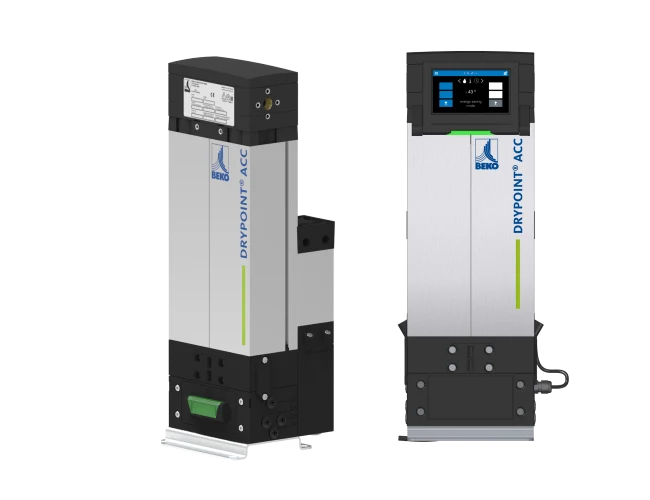
DRYPOINT ACC — manufacturer product photo
BEKO · COMPACT ADSORPTION

DRYPOINT ACC

Compact adsorption drying for machines and individual branches.

Range details

A compact solution for individual machines, branch polishing and installations with limited space. For ACC, the manufacturer specifies −40 °C at nominal flow; −70 °C requires reduced loading.

  • Nominal sizes 5–100 m³/h
  • Two equipment variants
  • For other applications, we also assess DRYPOINT ACM, HL or AC HP
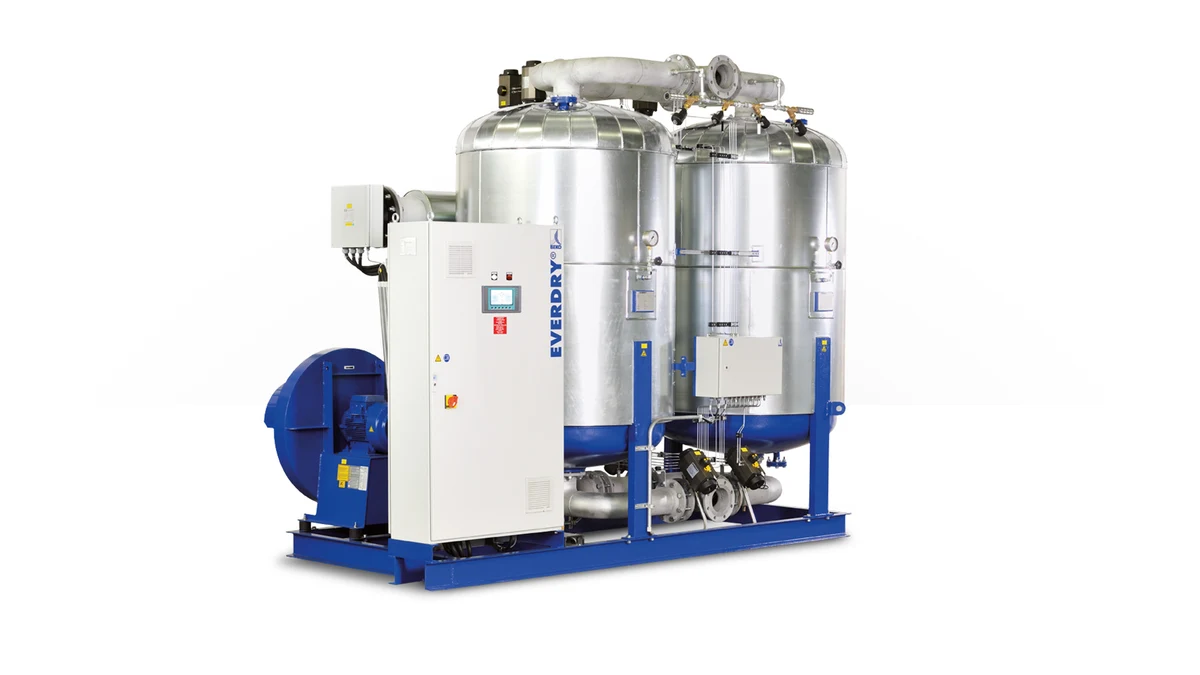
EVERDRY — manufacturer product photo
BEKO · HEAT REGENERATION

EVERDRY

Higher flow rates with heat regeneration or use of heat of compression.

Range details

Project-specific drying for higher flow rates. EVERDRY FR uses heated blower air; HOC uses heat of compression from a suitable oil-free compressor.

  • FR: regeneration with heated air
  • HOC: use of heat of compression
  • Dew point and energy balance are determined by the specific design
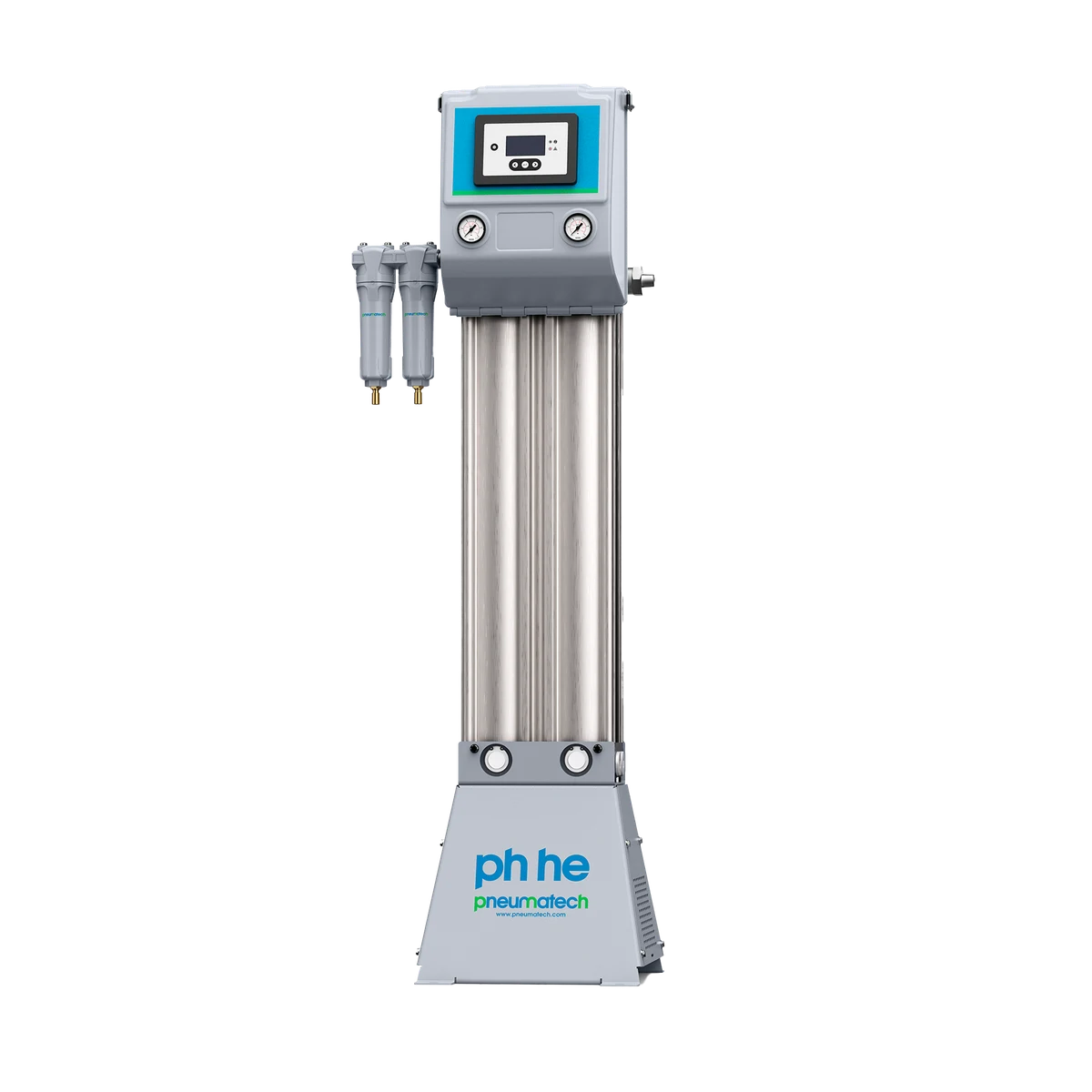
PH HE — manufacturer product photo
PNEUMATECH · HEATLESS REGENERATION

PH HE

Adsorption drying with heatless regeneration using a portion of the dry air.

Range details

Adsorption dryers regenerated using a portion of the dry compressed air. The PH 12–64 HE range uses structured Solides adsorbent; larger PH versions cover additional flow ranges.

  • No external heating for regeneration
  • Regeneration air must be included in the energy balance
  • Pictured: PH 12–64 HE
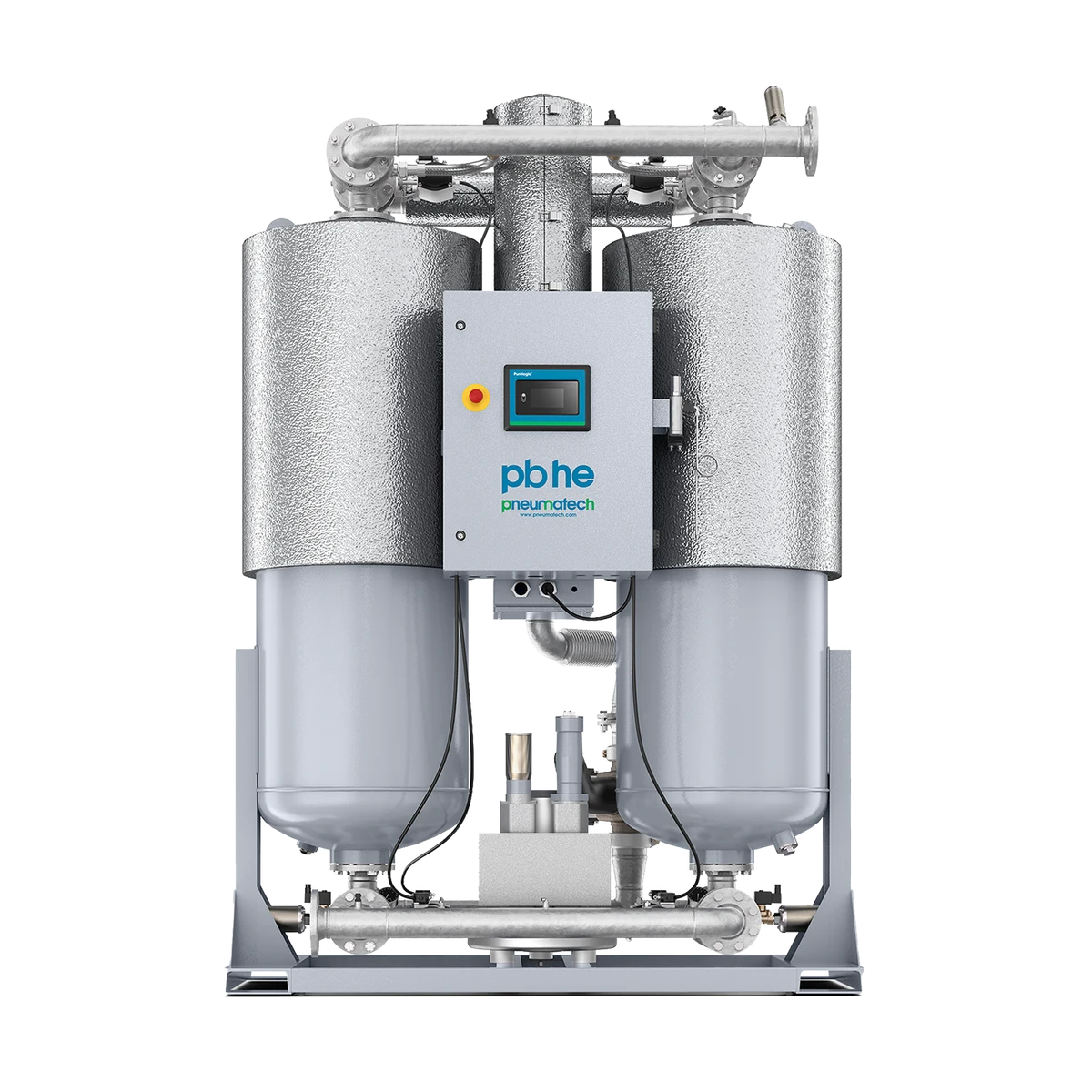
PB HE — manufacturer product photo
PNEUMATECH · BLOWER REGENERATION

PB HE

Adsorption drying with blower regeneration for higher demand.

Range details

PB HE ranges are designed for higher demand with a focus on operating costs. PB 760–7400 HE offers blower purge and zero purge versions, which differ in their regeneration and cooling cycles.

  • Standard PDP −40 °C, optional −70 °C
  • Zero purge does not mean zero power consumption
  • Climate conditions are part of the selection process

Need to know more?

Open the principles, specifications and recommendations as needed.

Refrigerated or adsorption?

The lowest pipework temperature and the process's sensitivity to moisture are decisive. VSD or cycling control is not a third drying principle — it is a control method for a particular refrigerated range.

Comparison of compressed air drying principles
PrinciplePressure dew pointTypical useWhat to include
Refrigerated (condensation)Typically +3 °C; depending on range and conditionsGeneral indoor pipework and industrial pneumaticsRefrigeration circuit power consumption, pressure drop, summer temperatures
AdsorptionOften −40 °C; also −20 or −70 °C depending on versionFreezing environments, instrument air and demanding processesRegeneration air / heat, adsorbent and associated filtration

These values are not a common guarantee for all listed models. For example, the manufacturer specifies Mikropor MCY at PDP ≤ +5 °C. To achieve water class 4, the selected configuration must meet PDP ≤ +3 °C.

How to size a dryer correctly

We do not use catalogue flow rates without correction. We check the reference conditions and whether the figure is inlet flow or usable flow after deducting regeneration air.

  1. 01

    PDP and pipework temperature

    The pressure dew point must suit the process and the coldest point in the pipework. A refrigerated dryer with a positive PDP alone will not protect outdoor pipework from condensation and freezing.

  2. 02

    Peaks and correction factors

    We account for maximum flow, minimum working pressure and the highest temperatures. We compare reference m³/h from different manufacturers only after aligning the conditions.

  3. 03

    Filtration and water drainage

    We protect the adsorbent from liquid water and oil. With granular media, we also address outlet dust; the exact filtration depends on the specific dryer.

  4. 04

    Measurement and availability

    For critical demand, we design PDP monitoring, alarms and service or backup arrangements. An open dryer bypass does not maintain the required air dryness.

What is the difference between pressure and atmospheric dew point?

Pressure dew point refers to operating pressure. Its value changes after expansion to atmospheric pressure. The figures are therefore not directly interchangeable; dryer design requires the PDP at a specified working pressure.

Is an adsorption dryer always better?

It achieves lower moisture content but brings different filtration, regeneration and maintenance requirements. If refrigerated drying is sufficient for the process, a lower PDP may not be economically justified.

Does a VSD dryer make sense without a VSD compressor?

It can. What matters is the dryer's own load over time and the energy balance. Compressor control and control of the dryer's refrigeration circuit are two different things.

PEMA LEASE · OPERATING LEASE

COMPRESSOR ROOM
ON AN OPERATING LEASE

You handle production. We handle the compressor.

You do not have to look after the compressor on your own. With PEMA LEASE, we take on the agreed care of the supplied machine. You get a clear budget and more time for your work.

  • Scheduled servicing and routine repairs included in the monthly payment
  • Operational support according to the selected option
  • One partner to call
How operating leasing works
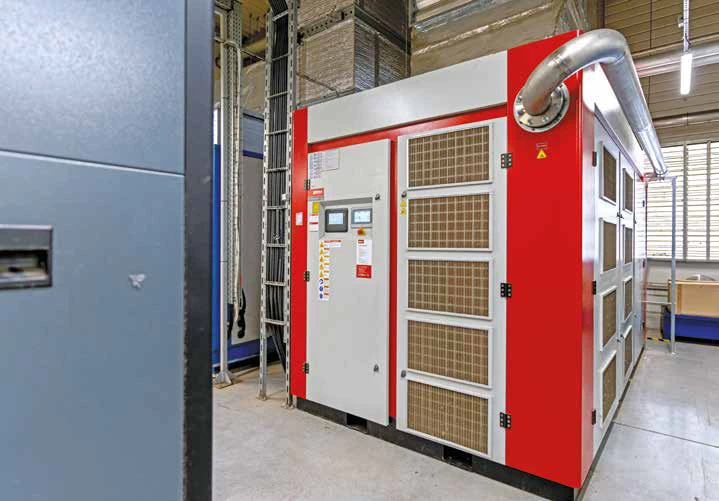
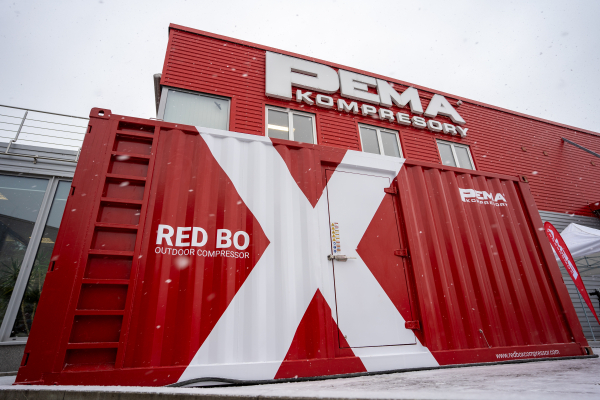
Completed PEMA compressor roomCompressor transport and handling at PEMA facilitiesREDBOX outdoor compressor stationAtlas Copco compressor delivery by the PEMA team

OUR REFERENCES
SPEAK FOR THEMSELVES.

Real machines. Real operations. See where our work helps keep production running every day.

See for yourself
FROM REQUIREMENT TO TECHNICAL DESIGN

We design a solution for your operation

Send us the information you have. If you do not know the parameters, we will start with a description of production and the existing compressor room.

  • Flow rate and minimum working pressure
  • Inlet and ambient temperature in summer
  • Target PDP, shift pattern and existing filtration
ContactEnquiry